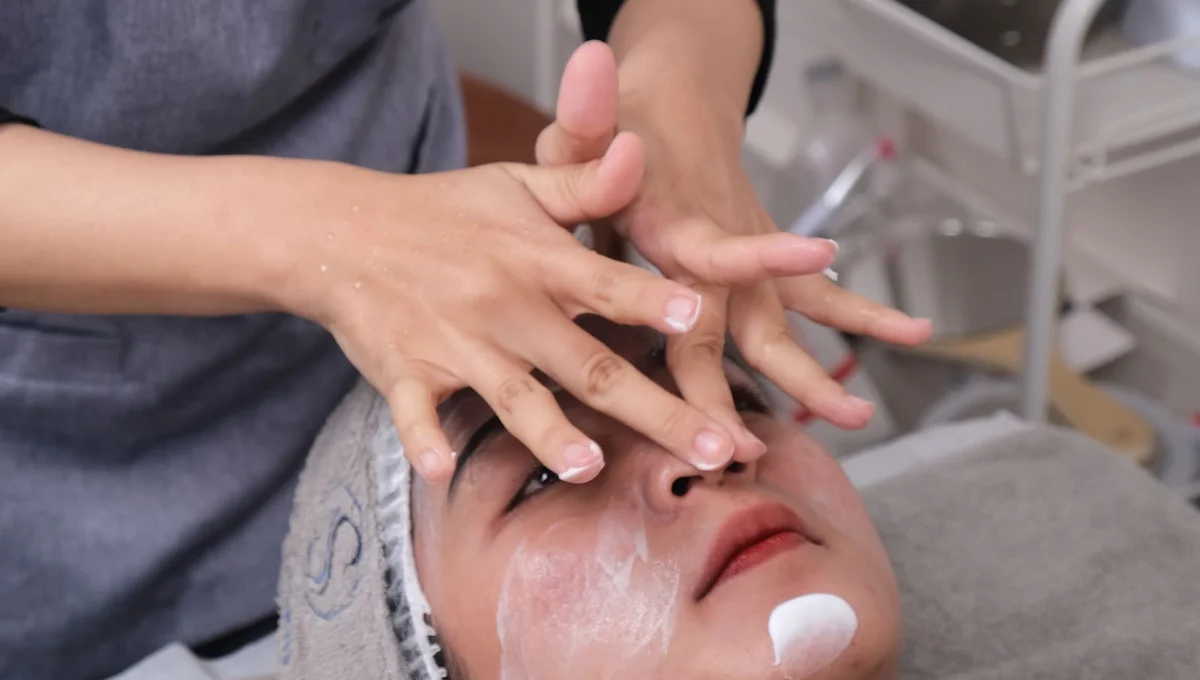
People asking whether gelatin is good for skin are usually asking two different questions at once: whether to spread it on their face, and whether to eat it. The answers are not the same, and one of them is shorter than you would like.
On your face, gelatin does nothing useful beyond a temporary tightening feeling as it dries. The molecule is far too large to pass through intact skin. Eaten, it is simply cooked collagen, and it is an incomplete protein: your body dismantles it like any other and it lacks tryptophan entirely. Meanwhile most of the "gelatin gummies" sold for skin are not set with gelatin at all.
That last sentence is the one worth sitting with, and we will come back to it.
None of this makes the category worthless. It means the jar worth buying is almost never the one shouting the word on the front of the label.
Gelagen is the one we keep coming back to, and no, it does not contain gelatin. What it carries instead is the part that actually fits inside a sweet: five B-complex nutrients, each one named on the label with its exact chemical form, led by biotin, the nutrient most directly associated with skin, hair and nails.
That is the whole trade, and it is a good one. You give up a word that was never doing anything for you, and you get a panel you can read, compare and hold the maker to.
What is gelatin, exactly?
Collagen that has already been cooked.
Heat and water break the long, rope-like collagen chains found in skin, bone and connective tissue into shorter, looser strands. Cool that liquid and the strands tangle into the wobble you know from a dessert. That is the whole of it: gelatin is collagen that has been partly taken apart before it reaches you.
Which immediately tells you something useful. If gelatin is a broken-down version of a structural protein, then whatever you are hoping it will do has to survive two obstacles: your skin barrier, if you put it on, or your digestion, if you swallow it. It does not do well against either.
Does putting gelatin on your face do anything?
It tightens as it dries, and that is the honest end of the list.
Your skin's outer layer exists to keep large molecules out, and it is extremely good at the job. Size is the deciding factor, and gelatin is enormous by the standards of what can get through. A protein that size sits on the surface, dries into a film, and pulls slightly as it contracts. That pulling sensation is what people describe as a lift, and it leaves with the mask.
The peel-off versions do remove some surface debris along with the film, which is a real but modest effect and has nothing to do with the gelatin specifically. Any film-forming substance would do the same.

Is eating gelatin good for your skin, then?
Here the answer is more interesting, and still not what the internet promises.
Eaten, gelatin is a protein, and your body treats proteins as raw material rather than as finished parts. It is dismantled and the pieces are used wherever your body decides, which is not a decision you get to direct from the kitchen.
And as proteins go, gelatin is a poor one. It is incomplete: it contains no tryptophan at all, and is low in several other essential amino acids. Nutritionally it sits well below the protein in eggs, dairy or meat. It is unusually rich in glycine and proline, which are the amino acids your body does use when it builds collagen, and that is the grain of truth the whole trend grew out of.
But having the raw material is not the bottleneck. The process that assembles collagen has requirements of its own, and the best documented of them is vitamin C, without which the enzymes involved cannot finish the job. We go through that step in detail in our piece on whether collagen gummies work.
Why do so many "gelatin gummies" contain no gelatin?
Because most of them are set with pectin, a fibre from fruit, and pectin behaves better in a sweet than gelatin does.
It holds its shape in heat, it survives shipping without going sticky, and it is suitable for vegetarians, which widens the market. Gelatin is animal-derived and far more temperamental. For a manufacturer the choice is easy.
So the word on the front of the jar is doing marketing work that the ingredient panel does not support. The jar says gelatin because gelatin is what people are searching for. The panel says pectin because pectin is what is in it.
This is not a scandal and it is not illegal. It is simply the gap between what a label advertises and what it contains, and it is the single most useful thing to know before you buy anything in this aisle. We apply the same test product by product in our guide to Korean beauty supplements.
What should you actually look for?
Four checks, in the order that tells you the most fastest.
- Read the panel before the front of the jar. The front is advertising. The panel is the product
- Every nutrient named, with its chemical form. "B12" is a family of compounds, not one ingredient, and a label that will not say which one is in there has made that choice deliberately
- An ingredient that works at the scale a sweet can carry. Vitamins work in milligrams and micrograms, which fits in a gummy. Protein works in grams, which does not
- A refund window written as a number of days, not as a mood
So where does Gelagen come in?
It is the jar in this category that stops pretending.
Gelagen is pectin-set, not gelatin, and the seller says so rather than letting the name carry an implication the panel would contradict. It does not contain collagen either. What it does carry is a B-complex panel where every nutrient is named along with its exact chemical form, which is more than most of the shelf manages.
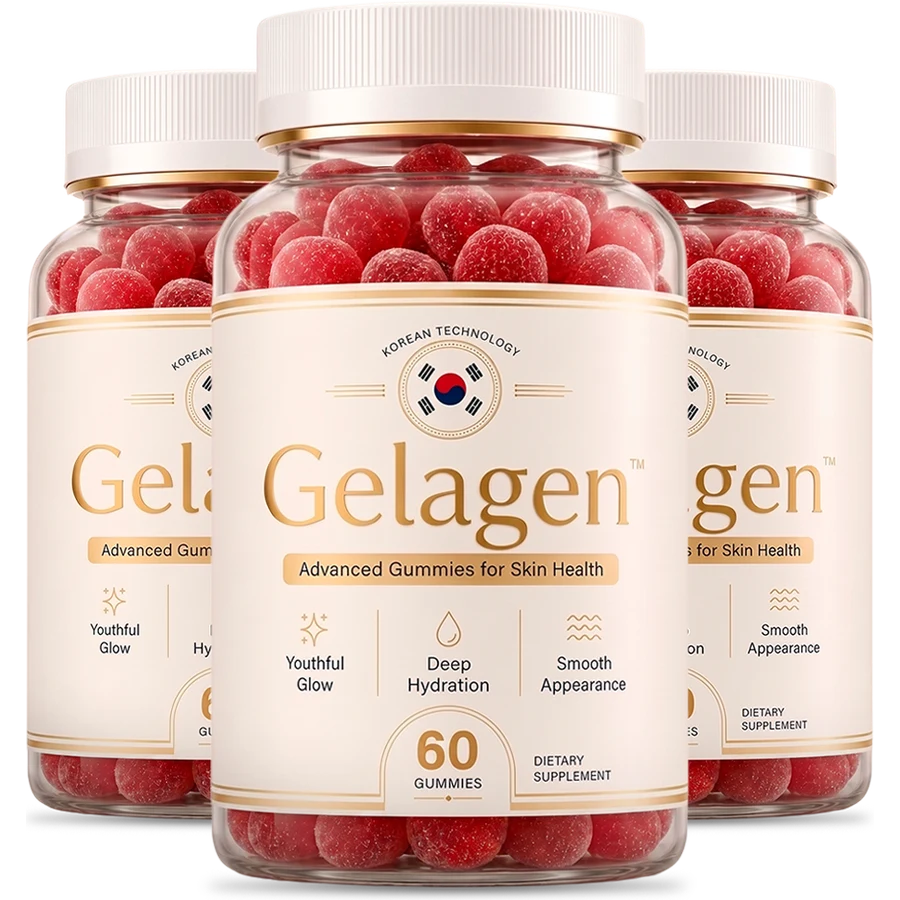
Gelagen Korean Beauty Gummies
- Pectin-set, and declared as such. No gelatin, and no trading on the word
- Five B-complex nutrients, each with its exact chemical form spelled out: biotin, B12 as methylcobalamin, B6 as pyridoxine hydrochloride, folate, and pantothenic acid as d-calcium pantothenate
- ⚠ The milligram amounts are not printed, only the list. That is our first check and it is where this label stops short
- 60 gummies per jar, two a day, so a jar lasts a month and the cost per day is something you can calculate
- Suitable if you avoid animal-derived ingredients, which gelatin is
- 60-day money-back window, written in days on the seller's own checkout page
We hold it to the same standard as everything else, which is why the missing amounts are printed above rather than buried. Our full review of Korean gummies for skin goes through the rest.
Who should skip gelatin entirely?
Worth knowing before you start boiling anything.
- Anyone avoiding animal products. Gelatin is made from animal collagen, usually bovine or porcine. Pectin products exist precisely for this reason
- Anyone who keeps halal or kosher, unless the source is certified, which is rarely stated on a supermarket packet
- Anyone treating it as a protein source. Missing tryptophan entirely makes it a poor one, and leaning on it in place of complete protein is a bad trade
- Anyone with a known allergy to the source animal, which is uncommon but real
And the ordinary advice that applies to all of this: if you take medication or manage a health condition, a pharmacist will give you a better answer about your own situation than any website can, including this one.
- Gelatin is cooked collagen. That is the whole definition, and it explains everything else.
- On the face it dries and tightens, and stops there. The molecule is far too large to get through your skin barrier.
- Eaten, it is an incomplete protein, with no tryptophan, and digestion takes it apart like any other.
- Most "gelatin gummies" are set with pectin, and the panel will tell you so even when the front of the jar does not.
- Gelagen is pectin-set and says so, names all five nutrients and their forms, and gives you 60 days to send it back.
Frequently asked questions
Is gelatin good for your skin if you eat it?
Not in the direct way the trend suggests. Gelatin is a protein and your body dismantles it into amino acids, so none of it arrives at your skin as gelatin. It is rich in glycine and proline, which your body does use when building collagen, but it is an incomplete protein with no tryptophan at all, and the process that assembles collagen depends on nutrients such as vitamin C rather than on raw material alone.
Does a gelatin face mask actually work?
It tightens as it dries and a peel-off version lifts some surface debris with the film. Neither effect involves the gelatin getting into your skin, because the molecule is far too large to cross the barrier. Any film-forming ingredient would behave much the same.
How much gelatin should I take per day for skin?
There is no established amount for that purpose, and we are not going to invent one. Gelatin is a food rather than a studied skin treatment, and if you want a number for your own situation that is a question for a doctor or a dietitian.
Is gelatin safe to put on your face?
For most people it is harmless, with two practical cautions. Let it cool properly, because DIY recipes use hot liquid and facial skin burns easily, and keep peel-off versions away from the eye area and from broken or irritated skin.
Why do Korean gelatin gummies not contain gelatin?
Because they are set with pectin, a fruit fibre that holds its shape better in a sweet, survives shipping and suits people who avoid animal products. The word on the front of the jar reflects what shoppers search for; the ingredient panel reflects what is inside.
Does Gelagen contain gelatin?
No. It is pectin-set and the seller states that rather than leaning on the name. It carries five B-complex nutrients instead, each listed with its exact chemical form, though it does not print the milligram amount of each one.
We read the full label, name every source in the text, and check the price on the seller's own checkout page rather than the landing page. We publish no star rating until a category clears 30 independent reports across two or more sources.